Service 01
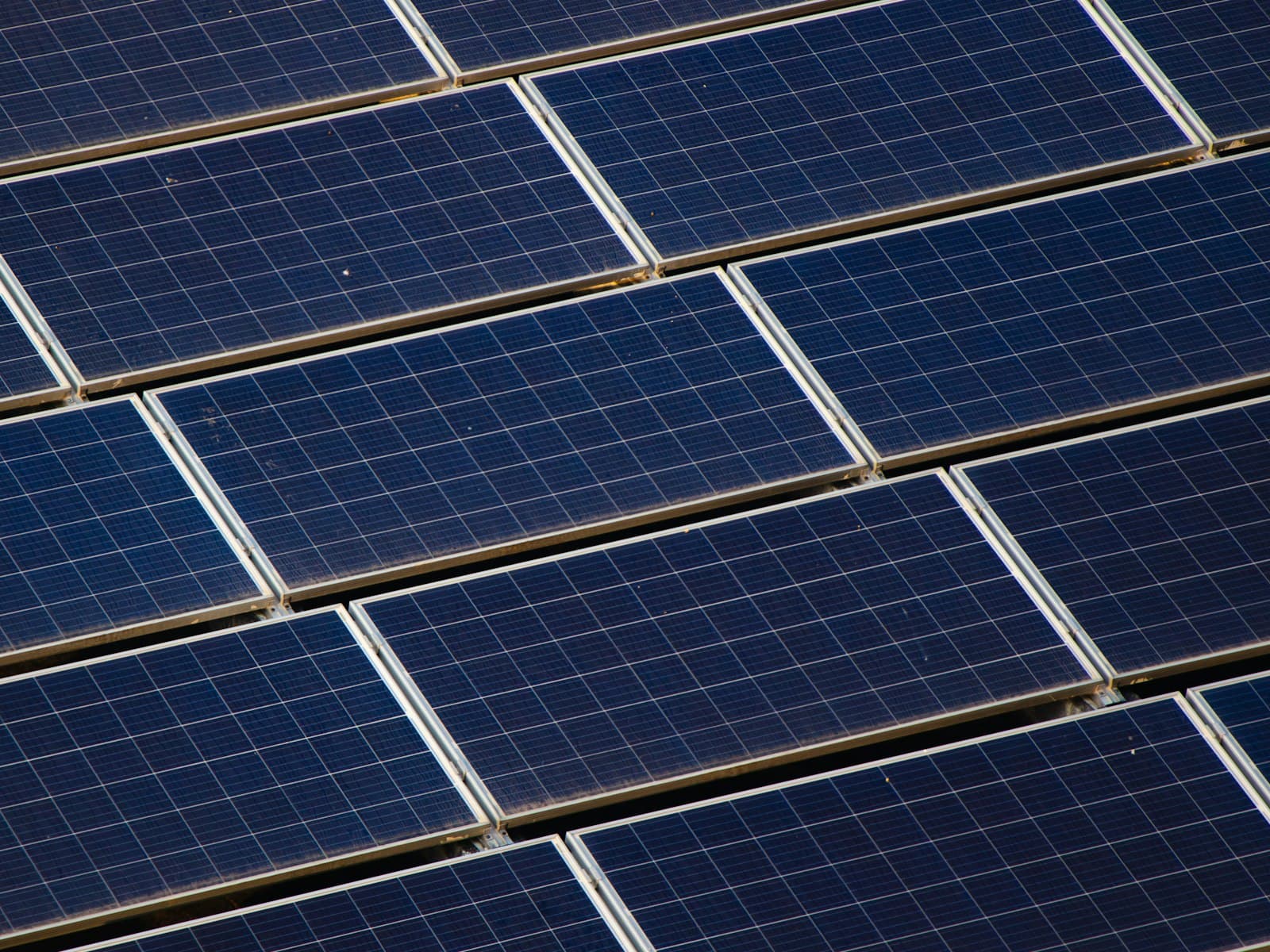
Solar PV
A well-designed solar system reduces grid reliance, protects against future price volatility and gives you more control over when you buy electricity. Getting there starts with measurement, not a quote.
What good design looks like
Accurate roof, shading and consumption assessment
Panel layout planned around the appearance of the roof, not just yield
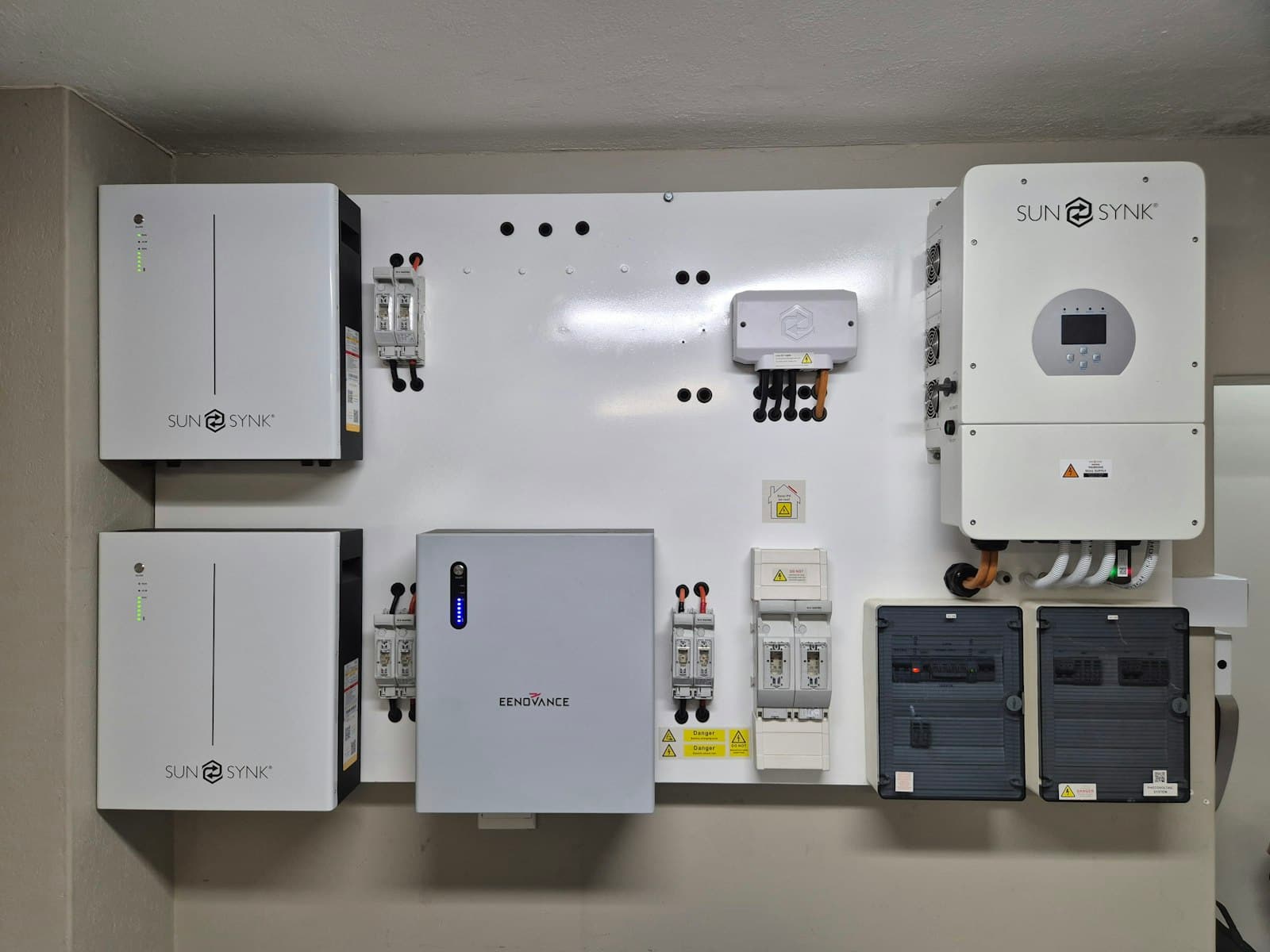
Inverter selected as part of a compatible ecosystem
Tariff strategy considered before the final design
Neat cable routes, safe equipment locations and accessible isolation
A simple principle
Generate when the sun shines. Store what you do not use. Use it when grid energy is most expensive.
Worth knowing
Generation figures are modelled estimates. Your proposal will show the assumptions behind generation, self-consumption and export — not just a headline saving.
How we approach it
Accurate roof, shading and consumption assessment first — then a system sized around how your household actually uses energy.
- 01
Measure first
Half-hourly consumption and real shading data, so the model reflects your household rather than an average one.
- 02
Size honestly
More panels are not automatically better if roof, export limits or budget change the outcome.
- 03
Plan the roof
Mounting suited to the covering, wind zone and structure — and an array that looks deliberate from the ground.
- 04
Document it
Layouts, commissioning records, certification and warranties organised at handover, not chased afterwards.
Estimate
See what solar could do for your home.
A starting point, not a quotation. Every figure is a range and every assumption is stated — because a single confident number before a survey is a number somebody made up.
Indicative estimate
- 9–12
- Panels
- 4–5.3kWp
- System size
- 3,200–5,050kWh / year
- Indicative annual generation
14–34%
of your electricity potentially supplied on site, from solar alone.
Indicative only, and no saving or payback figure is shown — neither can be modelled honestly before a survey of your roof, electrics and actual consumption. Assumes 440 W panels and 800–950 kWh per kWp per year.
Ready to design your energy system?
Speak directly with Sebastian or one of our energy consultants about your home, your energy use and what you want to achieve.